Logo image

General Univerisry Hospital Prague

General Univerisry Hospital Prague
9.50

Prague, Czechia

36
User ScoreTotal ReviewsRatingPrice RangeMedia FilesCertificatesFounded InBedsPatientsDepartmentsOwnershipClinical trialsIs University HospitalAge GroupClinic TypeType of CareSizeOnline Consultations
83%5949.5/10$$36417901921160000032 medical unitsState hospitalConduct clinical trialsYesKids, AdultsGeneralInpatient, OutpatientLargeNo

Overview

Size & Capacity

Large, 1,921 beds

Clinic type

General

Type of care

Inpatient, Outpatient

Age group

Kids, Adults

3.3 on Google

The data collected based on 594 patient reviews on Google

Certificates

Features & Facts

Newest Quality Monitoring System
In 1997, the Council of Europe recommended implementing a quality management tool within the General University Hospital in Prague. As a result, quality was anchored to Act No. 372/2011 Coll. Also, the hospital is ISO 9001-, 15189-, and 17025-certified.
Approved by European & Government Commissions
The General University Hospital Prague received a certification from the SAK for the safety of its services during the COVID-19 pandemic in 2021. The certificate will be valid until February 2024.
European Network of Rare Disease Partners
Since 2016, the hospital has been approved to join the European Network of Rare Diseases and is certified to diagnose and treat low-prevalence diseases. It includes 26 countries and 300+ hospitals.
Allows Joining Clinical Trials
Patients might try to participate in clinical trials and medical studies funded primarily by the institutional support of the Czech Republic Ministry of Health and other well-known and reliable research institutions.
Successful Adenomyosis Operations
Surgeons performed over 50 cytoreduction resections for severe uterine adenomyosis, helping 50 to 60 percent of these complex patients achieve successful pregnancies later.

About the clinic

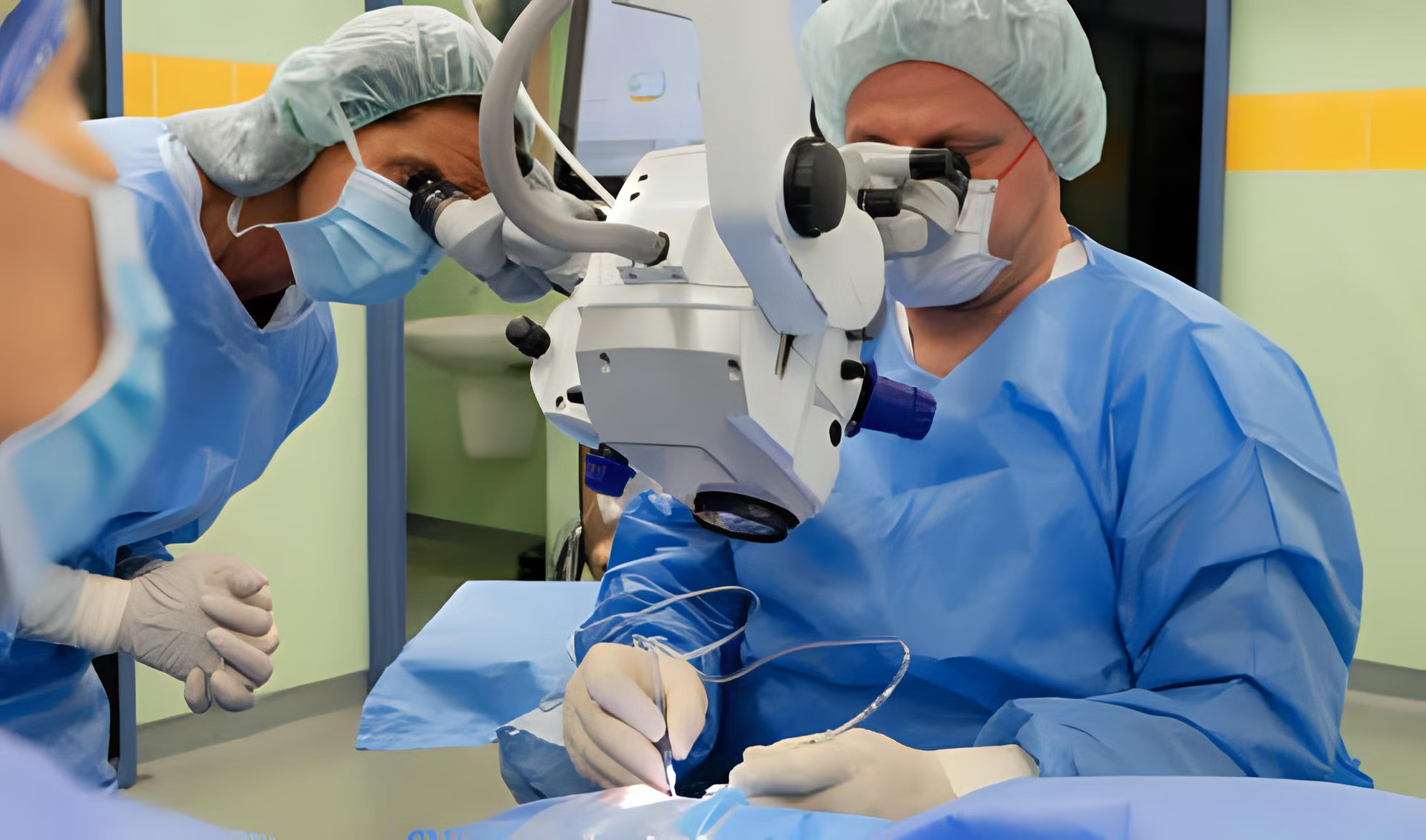
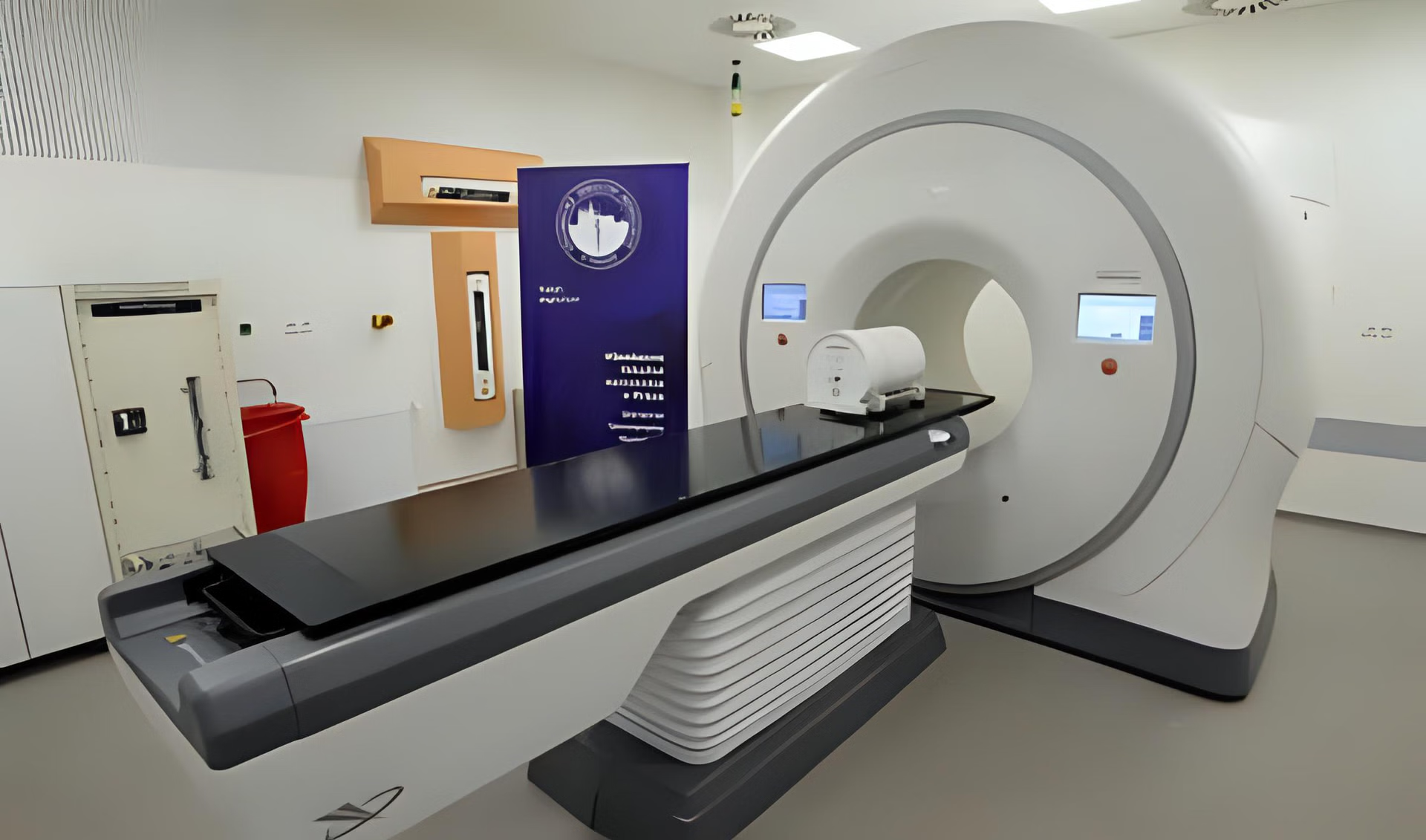
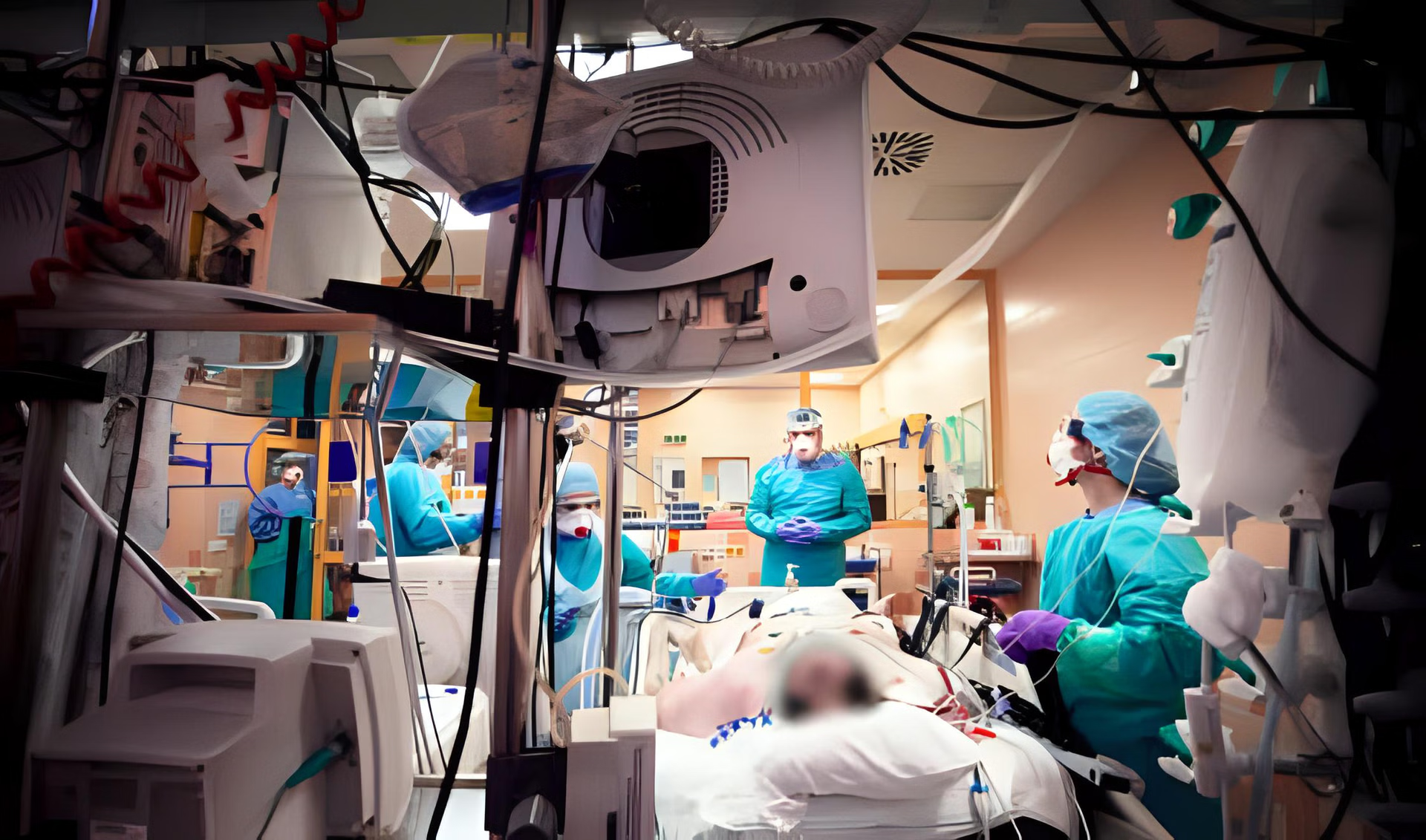
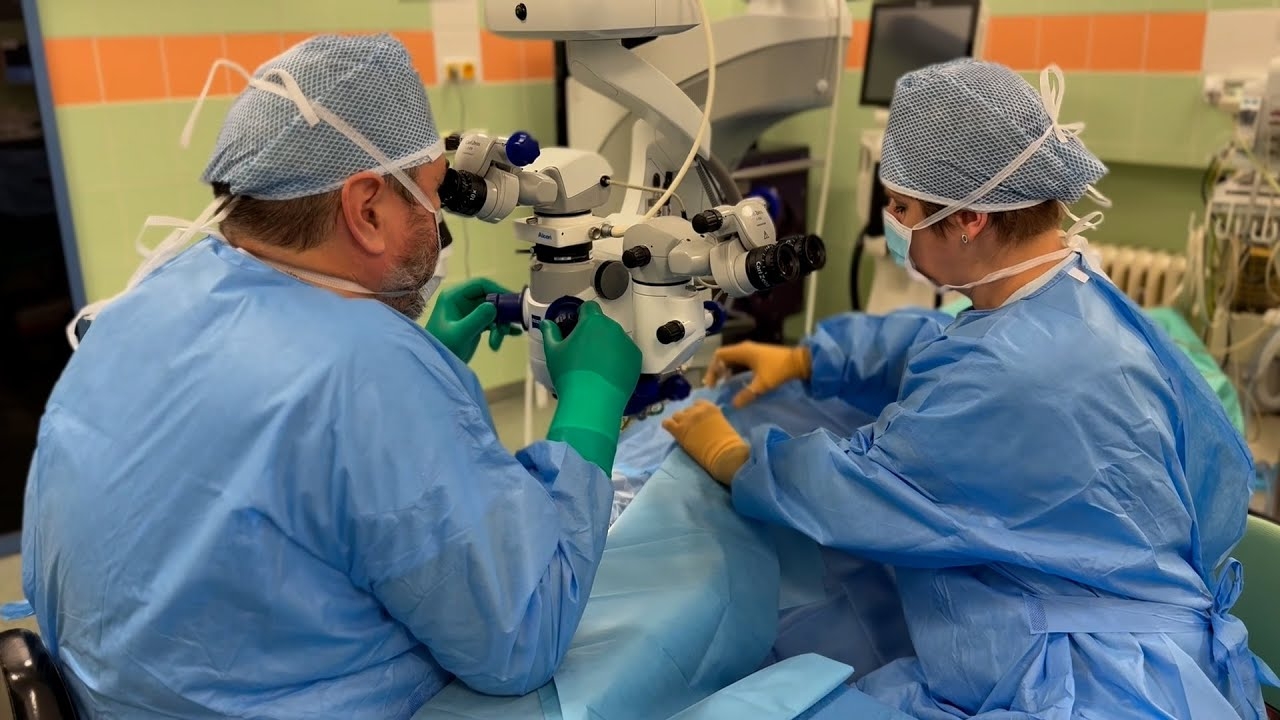
General University Hospital in Prague represents a rare, living synthesis of Enlightenment-era medical heritage and modern clinical science. Established in 1790 by decree of Emperor Joseph II, this sprawling institution rejects the isolated, single-block design of typical twentieth-century medical centers, operating instead as a decentralized urban campus across dozens of historic pavilions clustered around Karlovo náměstí, Albertov, and Vyšehrad. As the primary clinical proving ground for the First Faculty of Medicine of Charles University, the hospital acts as an intellectual crucible where centuries-old traditions of European academic medicine directly fuel contemporary clinical breakthroughs. With more than 1,900 beds and an annual caseload exceeding half a million outpatients, this historic labyrinth is the core of Czech public healthcare, serving as the ultimate tertiary reference point for the nation's most complex diagnostic challenges. The operational identity of the Prague complex is profoundly characterized by medical fields that bridge deep historical continuity and highly specialized molecular interventions. A globally renowned crown jewel of the campus is the obstetrics and gynecology department, housed in a breathtaking red-brick Gothic Revival complex designed by Josef Hlávka, which has operated continuously since 1875. This specific site combines one of Europe's oldest perinatology centers with highly advanced intensive care units for critically premature neonates, managing high-risk pregnancies from across the Czech Republic within a monument of cultural heritage. This maternal infrastructure is matched in intensity by the hospital's national monopolies in specialized pharmacology and metabolic biology, featuring the National Toxicology Information Center, which acts as the sole emergency command for poisoning crises nationwide, alongside world-class laboratories dedicated to decoding rare inherited metabolic disorders through advanced mass spectrometry and genetic sequencing. One of the largest in Europe and the only center in the country for establishing and monitoring complications of complex vascular accesses has been opened at the Prague General University Hospital. The oldest psychotherapeutic institution is also based in the clinic. Gynecological and oncological treatment and reproductive medicine, with a high success rate in fertilization and pregnancy, expand the list of clinic services. In addition to doctors' high professionalism, nurses are constantly developing and updating their skills. Knowledge of wound-healing techniques, including vacuum-assisted closure and ultrasonic cleaning, is a significant advantage. Cardiovascular surgery is a trendy area of ​​treatment.  Annually, the medical center performs more than 2,500 diagnostic heart catheterizations and about 1,000 coronary interventions.  The cardiology department also houses a center for diagnosing and treating pulmonary hypertension and Fabry disease. Deep within its historic stone walls, the hospital deploys a hyper-modern interventional network spanning advanced hemato-oncology, complex cardiosurgery, and specialized ophthalmology. Its internal clinics are pioneers in the treatment of systemic autoimmune conditions and aggressive hematological malignancies, utilizing targeted biological therapies and bone marrow transplantation protocols that are custom-engineered to the patient's exact cellular profile. The surgical teams at the hospital routinely execute intricate, minimally invasive interventions, supported by a central operating theater network that integrates real-time digital imaging with advanced microsurgical navigation arrays.

Primary focus

lymphoma
cancer
mantle cell lymphoma
rituximab
parkinsons
heart
bladder
surgery
heart failure
bcell
brain
infection
mantle cell
bladder cancer
glutathione
leukemia
metabolism
cardiac arrest
carcinoma
hepatitis c
dystonia
stem cell
stem cell transplantation
chemotherapy
urology
follicular lymphoma
extracorporeal membrane oxygenation
melanoma
malignant
diabetes
breast
breast cancer
deep brain stimulation
cognitive
hematology
elderly
cardiology
nonmuscleinvasive bladder cancer
internal medicine
ejection fraction
tumor
urothelial carcinoma
cushings
lung
ecmo
diabetes mellitus
oncology
insulin
obinutuzumab
extracorporeal life support
metabolic syndrome
head
pancreatic cancer
cyclophosphamide
prostate
resuscitation
cardiopulmonary resuscitation
myocardial infarction
addiction
myeloma
joint
psychiatry
pregnancy
hypertension
lymphocytic leukaemia
ibrutinib
injury
cardiogenic shock
transcranial magnetic stimulation
rehabilitation

Departments & Doctors

General, trauma surgery
Prof. MUDr. Zdenek Krska, DrSc.

general and oncology surgery

Transfusion medicine
MUDr. Daniela Duskova, Ph.D.

transfusion medicine

Geriatrics
Prof. MUDr. Eva Topinkova, CSc.

internal medicine and geriatrics

Respiratory diseases
Doc. MUDr. Jiri Votruba, Ph.D.

internal medicine and pulmonology

Cardiology, angiology
Prof. MUDr. Jan Belohlavek, Ph.D.

internal medicine, invasive cardiology, angiology, and critical care

Gallery
Extra services

Visa Support
Parking Space
24/7 medical assistance
Pastoral Care
Intensive Care Unit

Location

U Nemocnice 499/2, 128 08 Praha 2-Nové Město, Czechia

FAQ

Is the clinic suitable for ophthalmic treatment?

The hospital is an ideal place for the treatment of ophthalmic diseases. For example, doctors treat glaucoma with antimetabolites, corticosteroids, and antibodies against growth factors in the vitreous body, as well as photodynamic therapy for retinal changes.

Should I choose a clinic for surgery on tumors of the genitourinary system?

Surgeons perform various surgical procedures to effectively treat tumors, including radical prostatectomy, cystectomy, kidney-sparing, and adrenal gland surgery. Emphasis is increasingly placed on laparoscopic minimally invasive methods.

Does General University Hospital in Prague have a cardio-nephrology center?

The medical center includes a cardio-nephrological center, the only one of its kind in the country. In addition, the department's services include treatment for dialysis patients, percutaneous procedures on the heart arteries or dialysis vascular bypass, and palliative care.

How is assisted reproduction managed here?

The center for assisted reproduction handles complex fertility cases without requiring a primary doctor's referral for women or couples. However, men seeking specialized sperm analysis or cryopreservation protocols at the Apolinář laboratory must submit a valid referral to allow direct coverage by public health insurance providers.

Does the medical center treat hepatitis C?

Infectious disease doctors have all the necessary resources for rapid, nearly 100% treatment of viral hepatitis, particularly hepatitis C. In addition, the latest generation tablet drugs help to get results within 2-3 months with a low risk of complications.

What is the new scarless hysterectomy method?

The gynecology, obstetrics, and neonatology unit is the first in the Czech Republic to routinely implement the innovative vNOTES method. This advanced endoscopic approach removes the uterus entirely through the vagina using high-definition camera guidance, eliminating external abdominal incisions, minimizing postoperative pain, and speeding up hospital discharge.

Where is the national poisoning hotline based?

The national Toxicology Information Center (TIS) is uniquely headquartered at the VFN campus at Na Bojišti 1. This specialized unit provides continuous, 24-hour emergency telephone guidance to both laypeople and medical professionals nationwide for managing acute intoxications and coordinating localized antidote distribution.

What is the focus of the rare disease centers?

VFN serves as the primary national reference hub for rare diseases, particularly hereditary metabolic disorders. Working alongside academic laboratories, these clinics perform specialized genetic screening and provide patients with immediate access to highly restricted next-generation orphan drug regimens.

What is the rating of the clinic?

General Univerisry Hospital Prague is rated as 9.50 by AiroMedical.

What do patients say about General Univerisry Hospital Prague?

The clinic has 594 feedbacks at other places. The UserScore of the hospital is 83%.

What is the primary focus of the hospital?

The medical center is an expert at lymphoma, cancer, mantle cell lymphoma, rituximab, and parkinsons.

What is the overall experience of the facility?

General Univerisry Hospital Prague has been operating since 1790. It has accumulated over 236 years of clinical background.

Where can I see the hospital's work, interior space, and exterior?

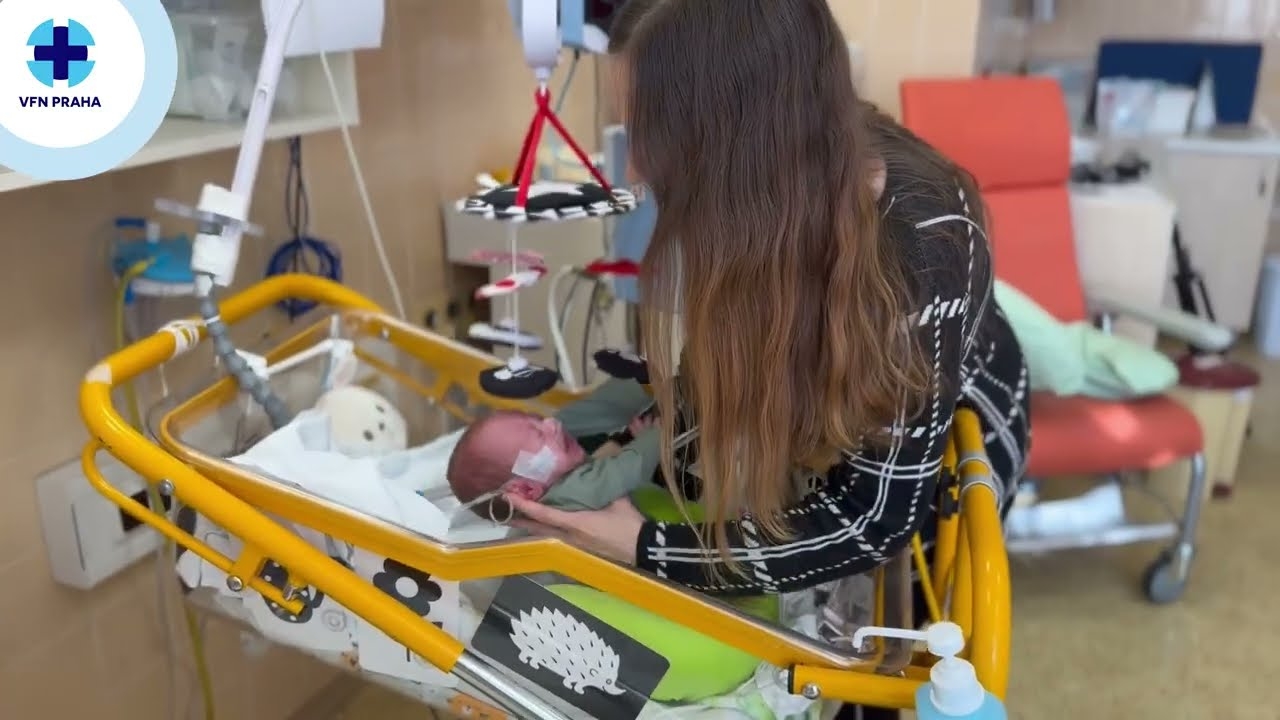
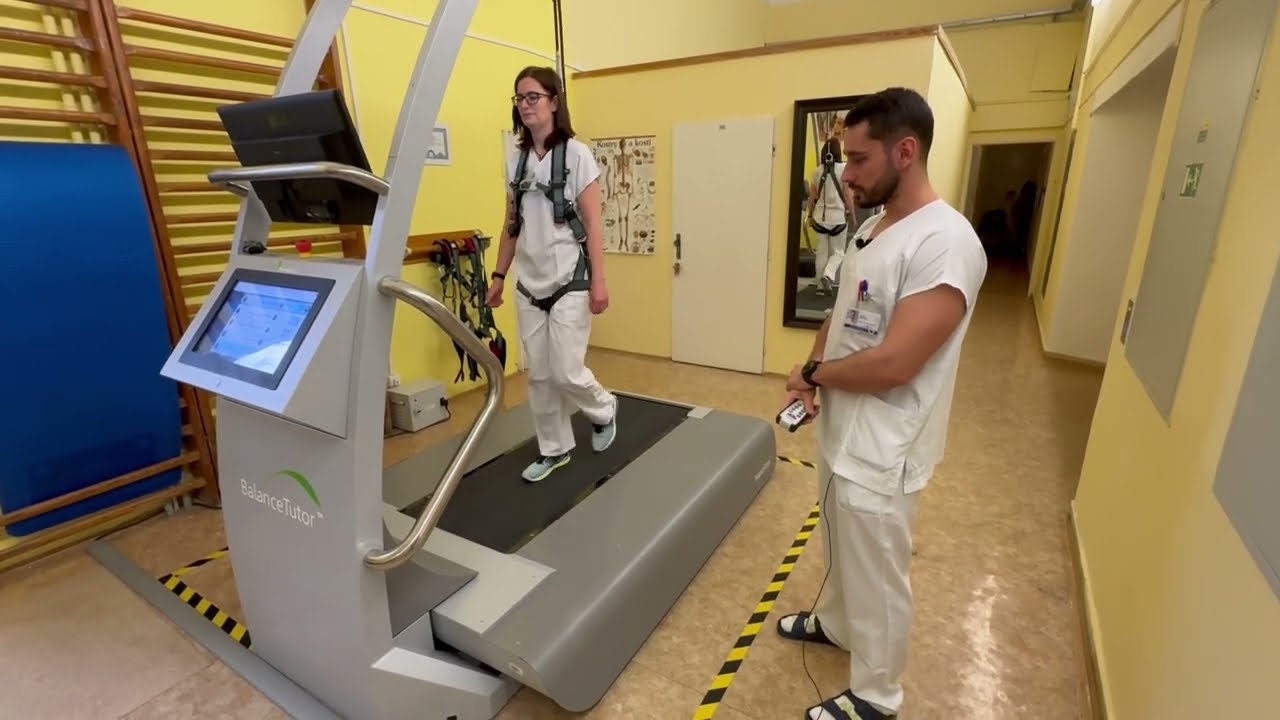
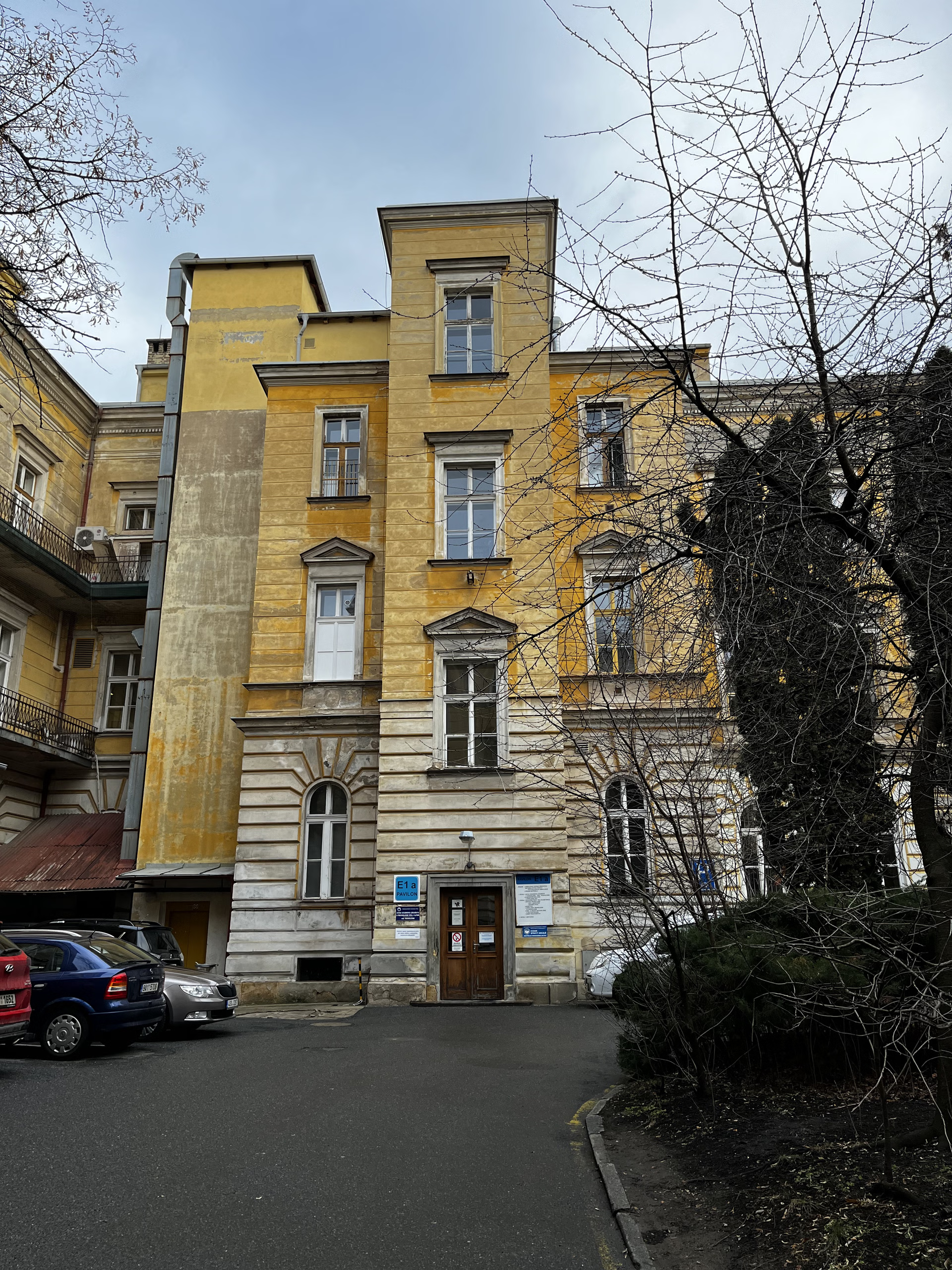
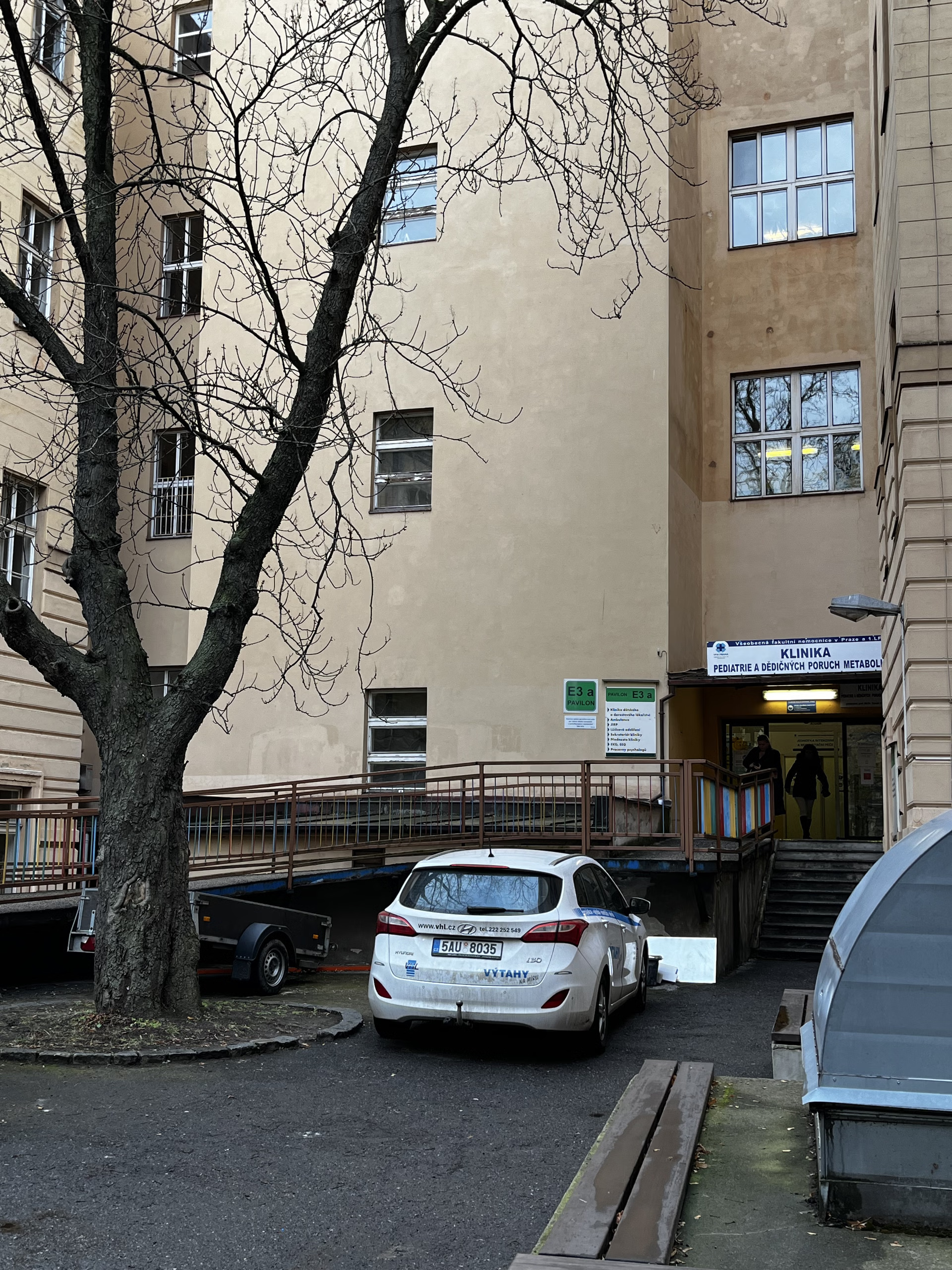
AiroMedical gallery has 24 photos & 12 videos related to General Univerisry Hospital Prague.

Does the clinic have certification or recognition?

What is the structure of the hospital?

Where is the clinic located?

The address of the facility is U Nemocnice 499/2 128 08, Prague, Czechia.

Does the hospital offer online consultations?

No, General Univerisry Hospital Prague doesn’t perform virtual appointments.

What age range of patients can be admitted to the clinic?

The hospital accepts patients of all ages.

What type of stay is offered at General Univerisry Hospital Prague?

The clinic offers both inpatient and outpatient services, so you can be hospitalized (if indicated).

General Univerisry Hospital Prague

Get individual treatment plan and cost estimate. Non-binding 100% free assessment.

© General Univerisry Hospital Prague

Similar clinics