The data collected based on
81
patient reviews on Google
Certificates
Features & Facts
Biggest Local Clinic for Early Neurorehabilitation
Asklepios Schlossberg Clinic Bad König became the largest neurorehabilitation center in Hessen and one of the largest in Germany in 2011 after the completion of a new building. Annually, the facility helps over 2,700 patients.
Constant Quality Control & Improvement
In 2013, the clinic received a KTQ quality management system approval seal. Also, after a thorough examination of the quality management system, the administration sought ISO 9001:2015 certification.
Numerous Individual Ergotherapy Methods
The team offers four ways for personal ergotherapy: everyday practical support (7 methods), early cognitive improvement (10 methods), speech improvement (5 modes), and education-based improvement (8 practices).
Relatives Stay with Patients
When family and friends remain near the severely diseased, they recover faster. The Foundation Care certified the clinic for the integration process and for the conditions under which relatives can comfortably stay with their ill family members.
Practice Asian Therapies
Asklepios Schlossberg Clinic Bad König also provides a few procedures actively used by Asian healers: food reflexology, herbal stamp massage, and craniosacral therapy. These methods aim to entertain patients’ relatives and friends rather than cure them.
Admission Ventilator Dependency
Nearly 90% of newly admitted patients require invasive mechanical ventilation initially. The medical staff safely manages these highly critical respiratory conditions.
Advanced Certified Weaning
The specialized pulmonology team systematically frees long-term ventilated patients from life support. This structured respiratory muscle training prevents permanent tracheostomy tube dependency.
Endoscopic FEES Swallowing Diagnostics
Speech therapists and doctors perform a highly advanced fiberoptic endoscopic evaluation of swallowing. This precise internal camera diagnostic successfully prevents fatal aspiration pneumonias.
Phase B Neurological Expertise
The medical center focuses strictly on Phase B rehabilitation, intervening immediately after acute survival. Starting therapy within days of severe brain trauma drastically improves lifelong independence.
KHZG Digital Modernization Funded
The hospital secured major state and federal funding under the Hospital Future Act. This massive financial injection completely digitizes patient files for error-free medical monitoring.
Life-Saving Tracheostomy Care
The facility specializes in acute tracheostomy care for patients with massive central nervous system injuries. Expert daily management drastically reduces the risk of dangerous pulmonary infections.
About the clinic
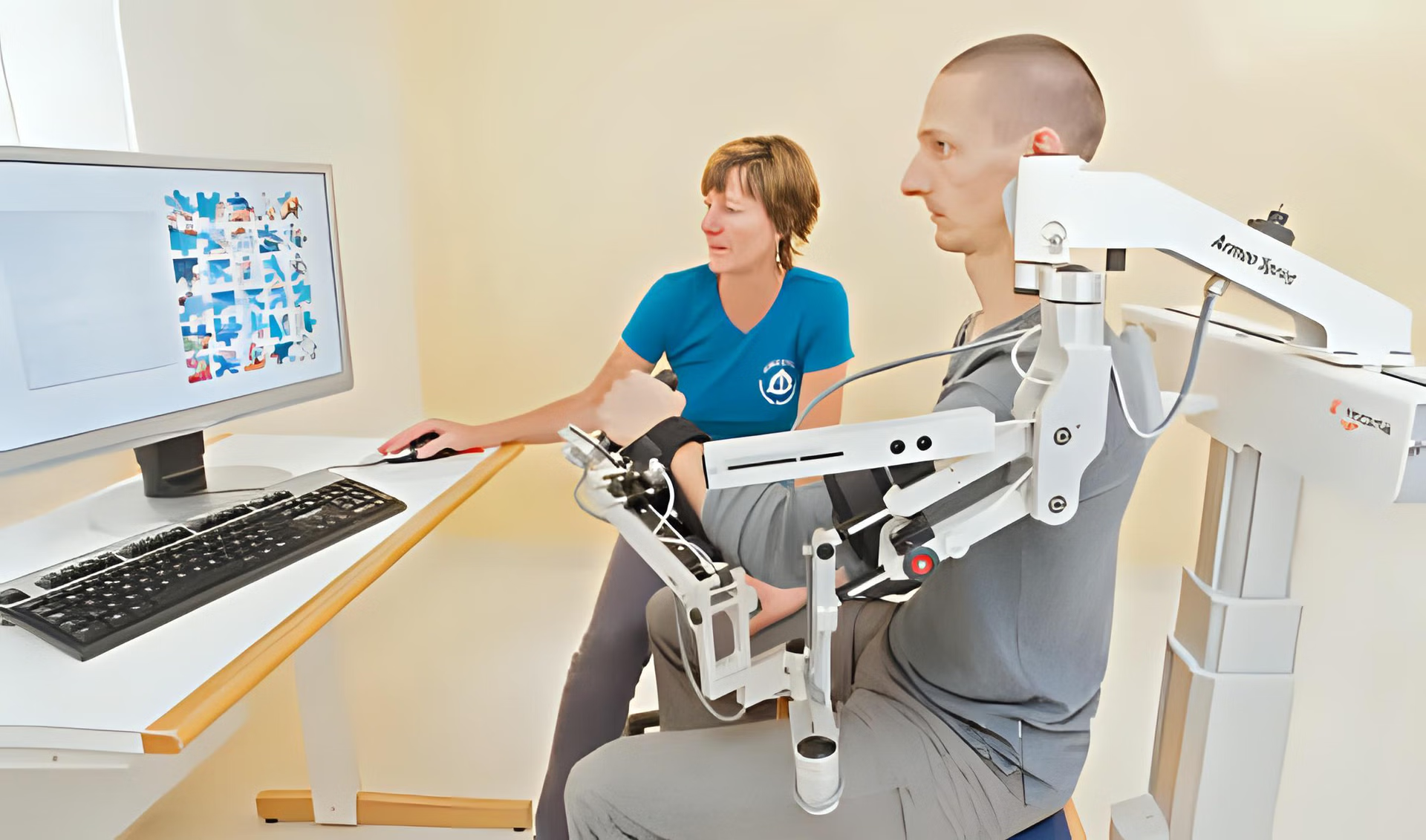
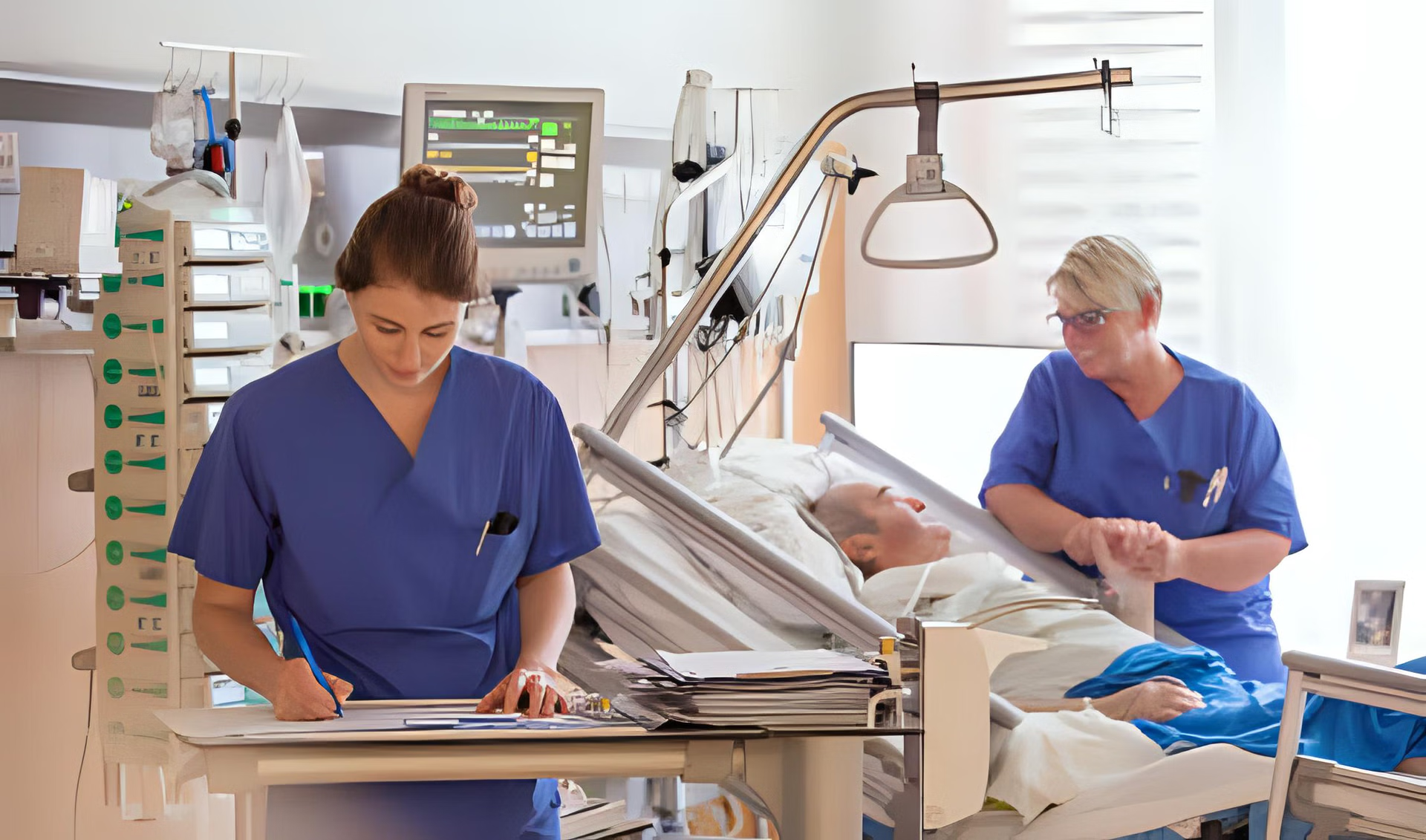
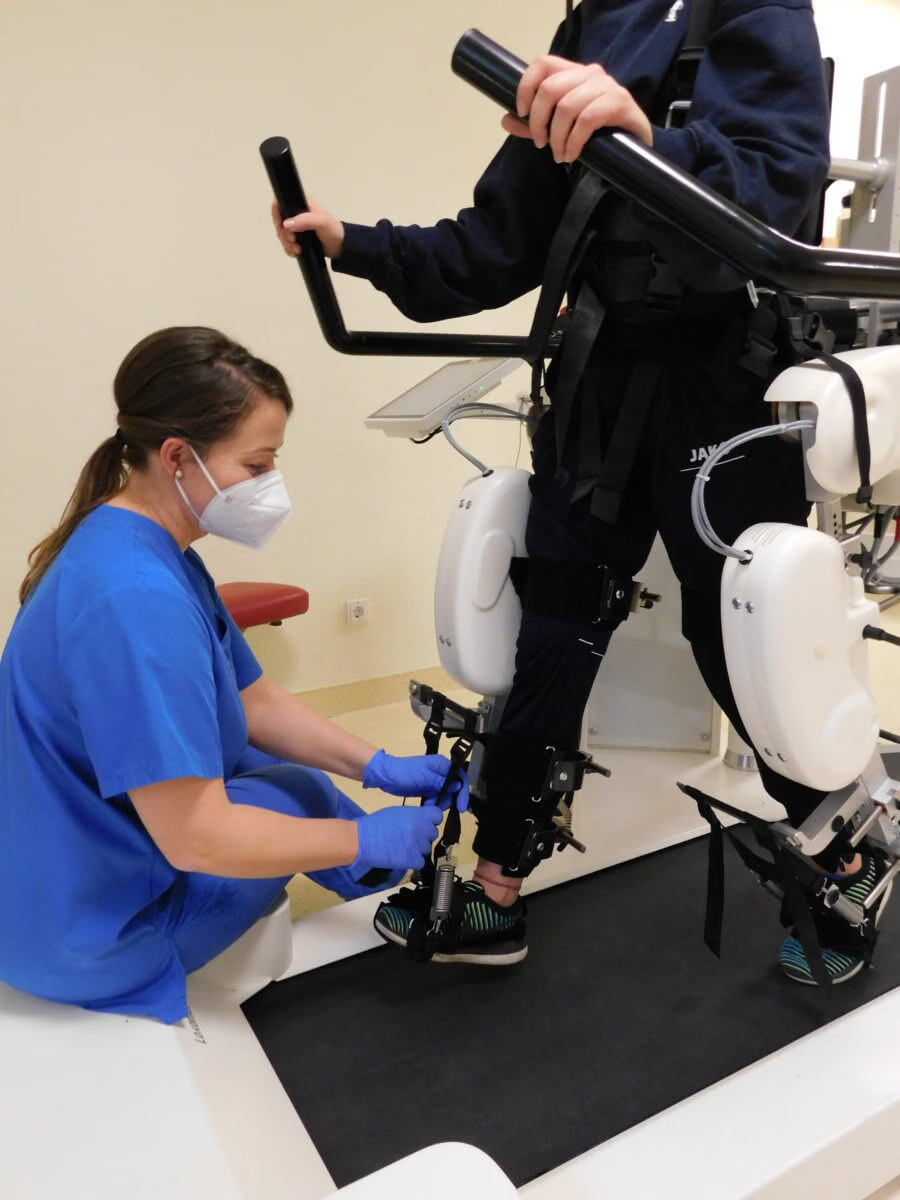
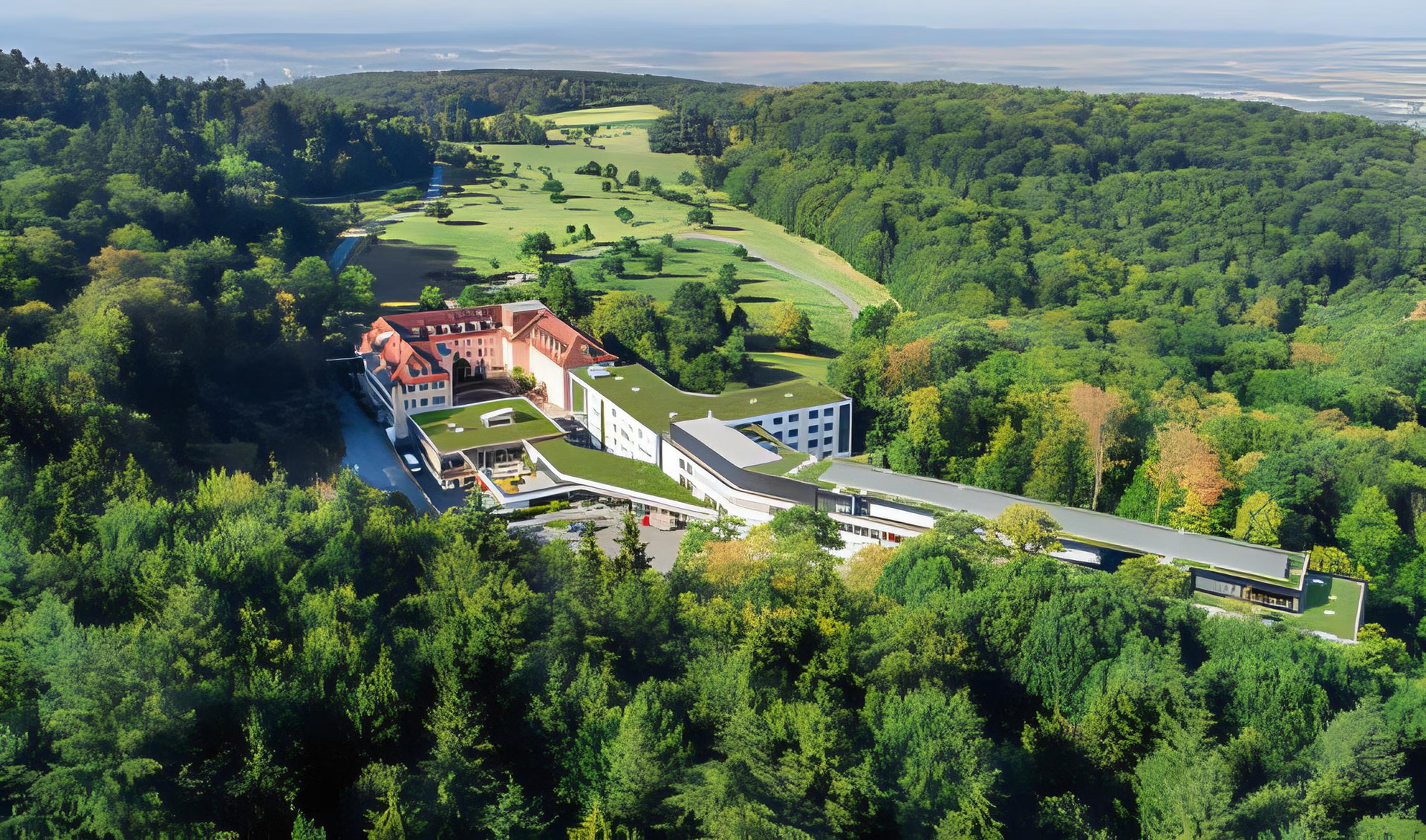
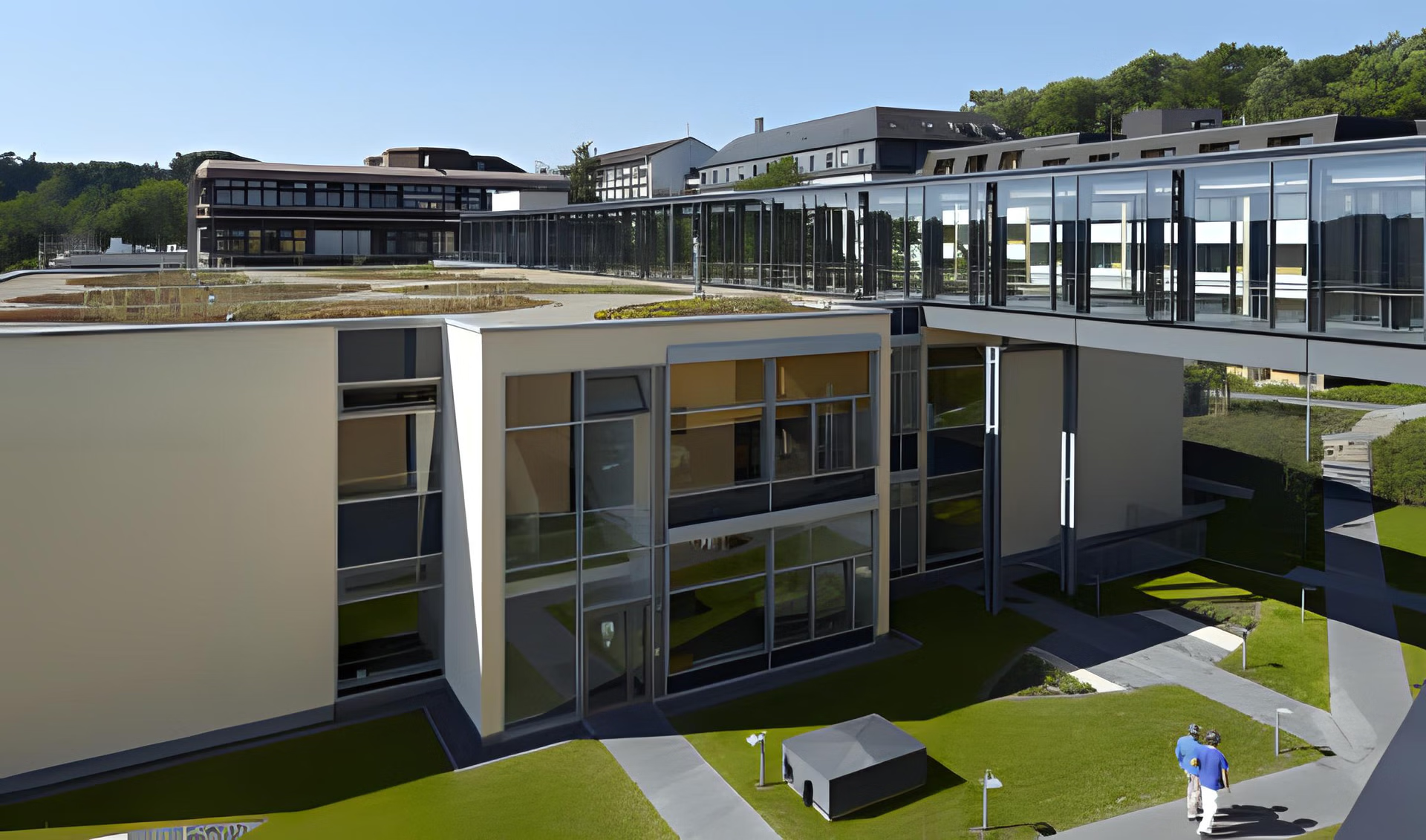
Dominating the therapeutic landscape of the Hessian Odenwald, the Asklepios Schlossberg Clinic Bad König serves as a high-intensity neurological powerhouse dedicated to the sophisticated reclamation of the human nervous system. This institution is not a typical rehabilitation center; it is a specialized acute and post-acute facility designed to manage the most profound disruptions of brain and spinal cord function. By integrating an acute hospital for early neurological rehabilitation with a long-term recovery center, the clinic ensures a seamless continuum of care for patients who have suffered catastrophic events such as severe strokes, traumatic brain injuries, or hypoxic cerebral damage. The facility is defined by its ability to provide phase B intensive care, where patients who are still in fragile, unstable conditions, often requiring mechanical ventilation or specialized weaning, receive elite medical intervention while simultaneously beginning the arduous process of neuro-restoration. The intensive care and early rehabilitation unit, which functions as a bridge between life-saving emergency surgery and the return of consciousness. This unit is equipped with state-of-the-art monitoring and respiratory technology, allowing a multidisciplinary team of neurologists, intensivists, and specialized therapists to work at the absolute edge of medical possibility. The philosophy is built on the concept of early mobilization, where therapy begins not when the patient is fully awake, but the moment their vital signs allow it. By utilizing robotic-assisted gait trainers and specialized tilt-tables within the intensive care setting, the medical team provides the nervous system with essential sensory input, actively fighting the muscle atrophy and secondary complications that typically follow neurological trauma. This aggressive, early-stage intervention is what distinguishes the facility as a primary referral center for the most complex neurological cases in Germany. The interdisciplinary, multidisciplinary treatment team is focused on regaining the greatest possible mobility and independence in daily activities. For diagnostics, the clinic uses innovative procedures and techniques, including electroencephalography, flexible endoscopic assessment of the act of swallowing, extra- and intracranial dopplerography, evoked potentials, MRI, and ultrasound. Early neurological rehabilitation links the intensive medical treatment of the neurological and neurosurgical clinical picture and subsequent neurological and neurosurgical rehabilitation stages. The provider specialists have experience in rehabilitating disorders of consciousness, swallowing disorders, gait disorders, and independence in everyday life. The medical team also offers interdisciplinary spasticity treatment and botulinum toxin therapy. Beyond the mechanical support of life-sustaining systems, the institution is a pioneer in neuropsychological and communicative restoration. Recognizing that the loss of speech or the alteration of personality is as devastating as physical paralysis, the clinic employs a dense network of speech-language pathologists, occupational therapists, and neuropsychologists. These specialists work in a synchronized therapeutic loop, using innovative techniques such as constraint-induced movement therapy and high-tech biofeedback systems to bypass damaged neural pathways and forge new connections. The clinic also houses a specialized unit for dysphagia (swallowing disorders), utilizing fiber-optic endoscopic evaluations to help patients safely transition away from feeding tubes, a critical milestone in regaining a sense of normalcy and independence. The facility's physical environment is a masterclass in neuro-architecture, designed to provide a high-stimulation yet cognitively organized atmosphere that aids in reorienting the damaged mind. The location, overlooking the serene greenery of the Odenwald, is used strategically to transition patients from the high-tech, sensory-limited environment of intensive care to a more natural, expansive world. As patients progress through the different phases of rehabilitation, the architecture of their surroundings changes, mirroring their increasing autonomy and cognitive clarity. This journey is supported by a robust digital infrastructure that tracks every neurological milestone, ensuring the transition from acute care to specialized rehabilitation is data-driven and well-timed.
Gallery
Klinik Kompass: Welcome to Asklepios Schlossberg Clinic Bad König! | Asclepios
2026-04-26T19:00:06.000Z
Klinik Kompass: Welcome to Asklepios Schlossberg Clinic Bad König! | Asclepios
2026-04-26T18:58:32.000Z
2026-04-26T18:58:32.000Z
2026-04-26T18:58:32.000Z
2026-04-26T18:58:32.000Z
2026-04-26T18:58:32.000Z
2026-04-26T18:58:32.000Z
2026-04-26T18:58:32.000Z
2026-04-26T18:58:32.000Z
2026-04-26T18:58:32.000Z
2026-04-26T18:58:32.000Z
2026-04-26T18:58:32.000Z
Klinik Kompass: Welcome to Asklepios Schlossberg Clinic Bad König! | Asclepios
2026-04-26T19:00:06.000Z
Klinik Kompass: Welcome to Asklepios Schlossberg Clinic Bad König! | Asclepios
Extra services
Visa Support
Parking Space
Cafeteria
Accessibility Features
Location
Frankfurter Str. 33, 64732 Bad König, Germany
FAQ
Is it possible to treat spasticity at the Asklepios Schlossberg Clinic in Bad König?
The clinic uses systemic drugs, botulinum toxin, antispasmodic physiotherapy concepts, and basal stimulation to help patients with specific conditions. It's a part of the rehabilitation process for many neurological patients.
What techniques does the hospital use for gait rehabilitation?
Doctors widely use physiotherapeutic procedures, unique mobilization systems, and robotic therapy methods to compensate for the patient's initially insufficient strength by reducing weight.
Does the hospital offer cognitive rehabilitation?
Yes, mental recovery is usually built into daily activities in various therapy areas. Neuropsychologists and speech therapists also treat specific neuropsychological clinical presentations or speech disorders as part of individual therapy.
What is the core medical specialization of Asklepios Schlossberg Clinic Bad König?
The clinic specializes exclusively in neurological and neurosurgical early rehabilitation (Phase B). It focuses on treating patients who have suffered severe brain damage, such as from extensive strokes, traumatic brain injuries (TBI), or hypoxic brain damage following cardiac arrest, with the primary goal of restoring consciousness, early mobility, and vital daily functions.
What does the status as a certified neurological weaning center mean?
Many patients with critical neurological injuries require artificial, invasive respiration after spending time in a coma. As a certified weaning center, the clinic specializes in prolonged weaning. This is the highly complex, step-by-step medical process of safely freeing patients from mechanical ventilators so they can breathe independently again.
How does the clinic manage severe swallowing disorders (dysphagia)?
Because brain injuries frequently paralyze or impair the muscles required for safe nutritional intake, the clinic utilizes fiberoptic endoscopic evaluation of swallowing. This advanced procedure allows our specialists to visually assess the swallowing mechanism in real-time, enabling targeted speech therapy (logopedics) and drastically reducing the risk of aspiration pneumonia.
Are intensive medical interventions, such as dialysis, available during rehabilitation?
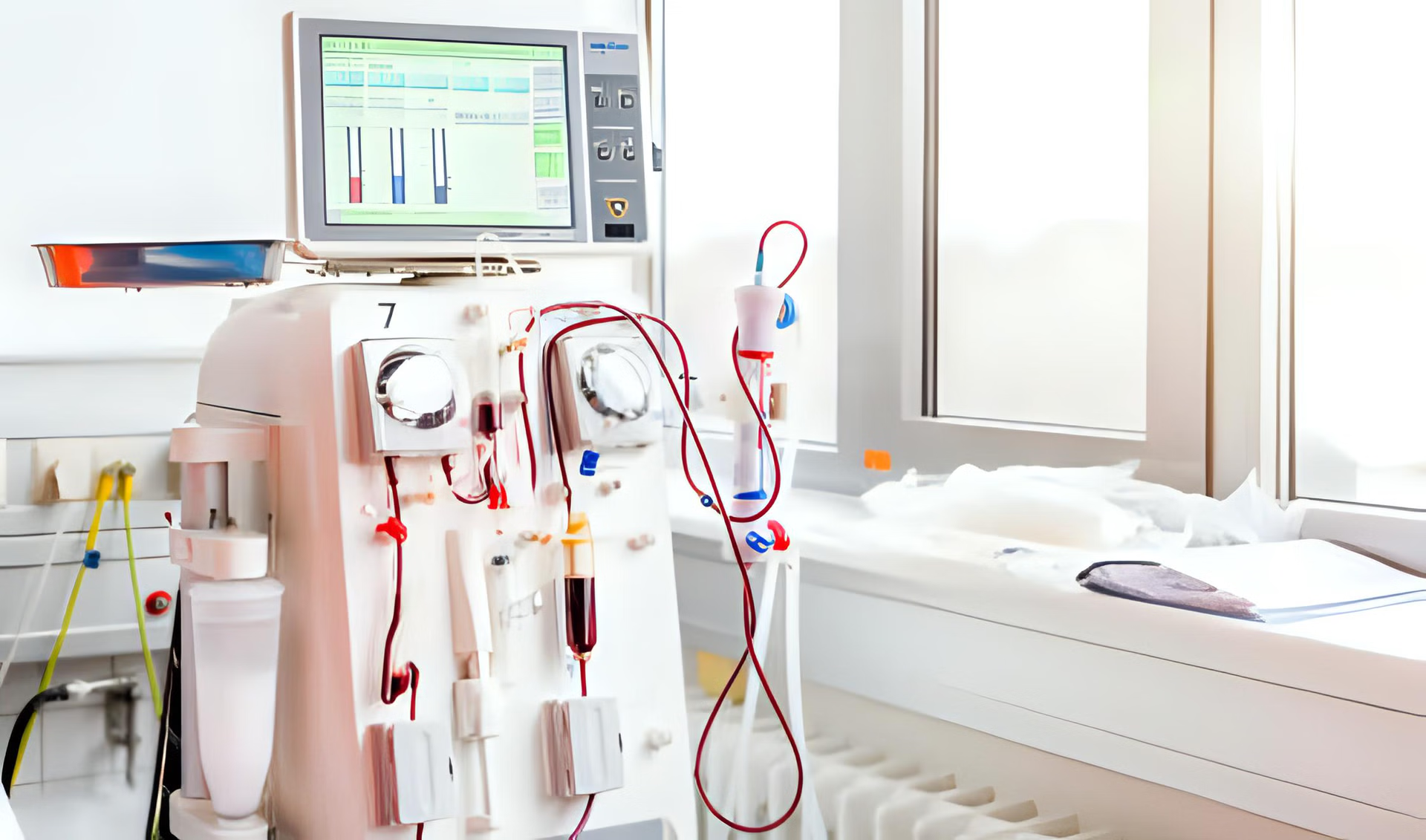
Yes. Phase B early rehabilitation involves patients who are medically fragile and still require acute medical monitoring. Our facility includes over 40 intensive therapy beds and provides critical internal medicine procedures directly on-site, including bronchoscopies (lung endoscopies) and dialysis for patients with concurrent kidney failure, ensuring their neurological recovery is not interrupted by external transfers.
What advanced diagnostics are used to monitor brain and nerve function?
Our functional diagnostics department conducts comprehensive neurophysiological testing to continuously assess nervous system recovery. This includes high-resolution electroencephalography, electroneurography, and electromyography to evaluate nerve pathways and muscle responses, as well as specialized sonography of the arteries that supply blood to the brain.
What specialized treatments are offered for severe spasticity?
Severe trauma to the central nervous system often results in painful and debilitating muscle stiffness (spasticity). We address this through an interdisciplinary approach that combines activating therapeutic nursing, evidence-based physiotherapy, and targeted medical interventions, specifically the administration of Botulinum toxin (BTX) injections to safely relax the affected muscle groups.
Does the clinic treat inflammatory diseases of the central nervous system?
Yes, we provide highly specialized early rehabilitation for patients recovering from aggressive central nervous system infections, such as meningitis, encephalitis, and brain abscesses. Our therapies are specifically designed to mitigate the profound cognitive and motor deficits these inflammatory conditions often leave behind.
Is continued therapy available once the inpatient Phase B is completed?
To ensure a seamless transition of care, the clinic operates an integrated outpatient therapy center directly in Bad König. This allows patients who have progressed beyond the need for acute inpatient care to continue receiving specialized physical, occupational, and speech therapy in an outpatient setting to further consolidate their recovery.
What is the rating of the clinic?
Asklepios Schlossberg Clinic Bad König is rated as 9.10 by AiroMedical.
What do patients say about Asklepios Schlossberg Clinic Bad König?
The clinic has 81 feedbacks at other places. The UserScore of the hospital is 94%.