The data collected based on
660
patient reviews on Google
Certificates
Features & Facts
Years of Clinical Experience
Around 80,000 patients visit this hospital annually. It is one of the oldest clinics in Northern Germany and 1st in Hamburg, with a quality certificate from KTQ. It has the city's largest emergency department and treats patients with severe conditions.
High Diagnostic Ophthalmic Volume
Treating over 1,500 inpatients yearly, the eye department performs more than 2,500 24-hour pressure monitoring procedures for glaucoma.
Advanced Cancer Care
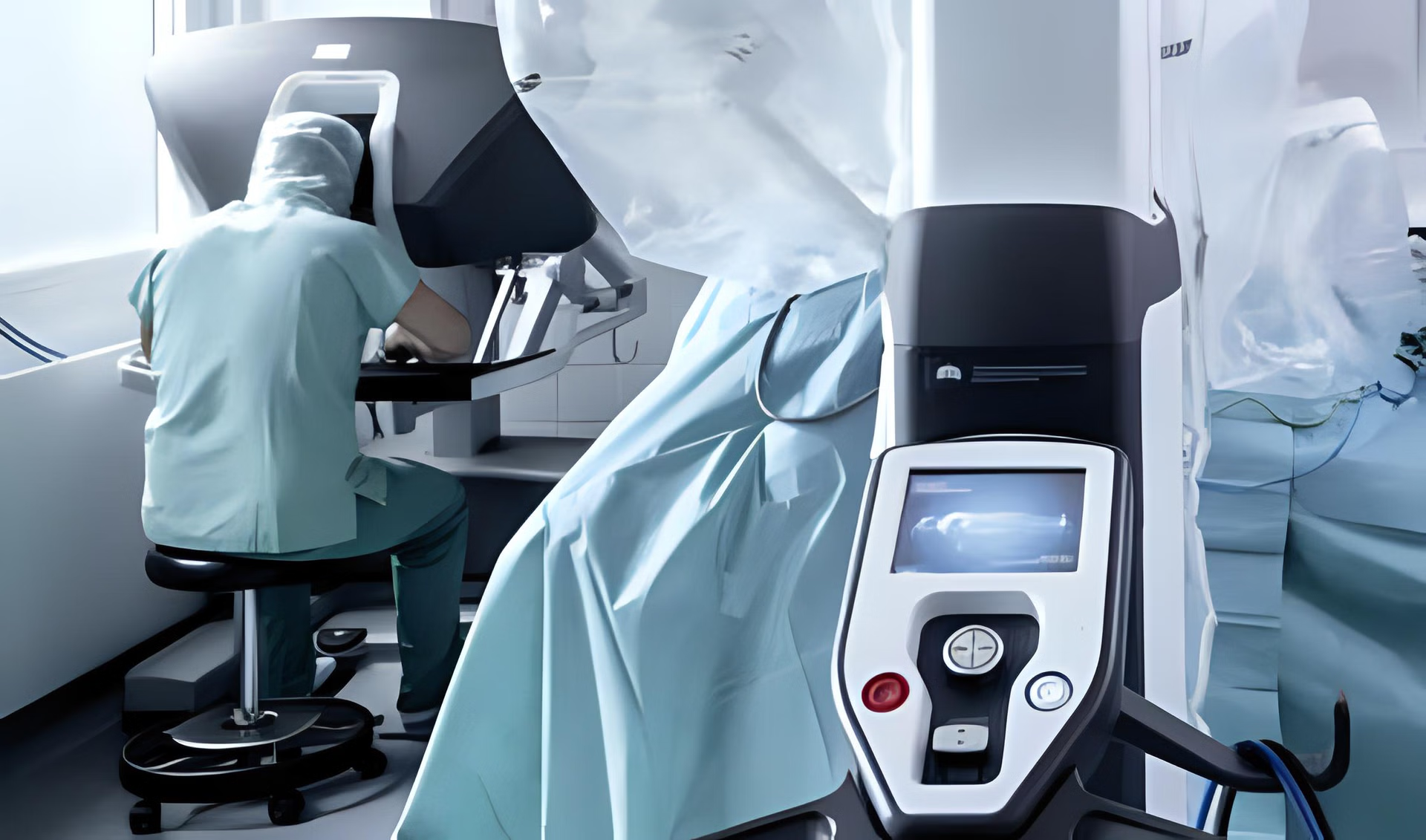
Asklepios Clinic Altona in Hamburg treats over 4,400 cancer patients annually using cutting-edge scientific advancements, ranging from molecular targeted therapy and immunotherapy to high-dose chemo and DaVinci tumor removal in hard-to-reach areas.
Largest Neurocenter in Hamburg
The clinic focuses on complex brain and spinal cord diseases like strokes, aneurysms, and angiomas. Each year, a team of doctors attends to 1,200+ patients with acute strokes.
New Standards in Hematology
Asklepios Clinic Altona has over 20 years of expertise in blood stem cell transplants, particularly in transplanting patients' own cells. It performs around 50-60 transplants per year, focusing on relapses in patients with rapidly growing lymphomas and sarcomas.
Accredited Skull Base Center
Certified by the German Skull Base Society, the center merges neurosurgery, ENT, and neuroradiology to treat complex intracranial base lesions.
Specialization in Tissue-Preserving Neurosurgery
About 400 brain tumors are operated on annually by specialized neurosurgeons who utilize computer-assisted neuronavigation, endoscopy, neurophysiological monitoring, and ultrasonic crushers to protect tissues during surgeries.
Robotic Sphincter Surgery Pioneer
The clinic established North Germany's first da Vinci robotic implantation of artificial urinary sphincters in female patients suffering from severe incontinence.
Special Cardiac Rhythmology Division
The cardiology department utilizes cutting-edge Pulse Field Ablation to treat atrial fibrillation with exceptional procedural speed and tissue safety.
High-Volume Microsurgical Neurosurgery
The neurosurgery department completes over 600 microsurgical procedures and 250 craniotomies annually using 3D neuronavigation technology.
Certified Hematologic Neoplasms Unit
The dedicated oncology team is nationally certified in the treatment of hematologic malignancies and treats over 1,200 complex cancer inpatients annually.
About the clinic
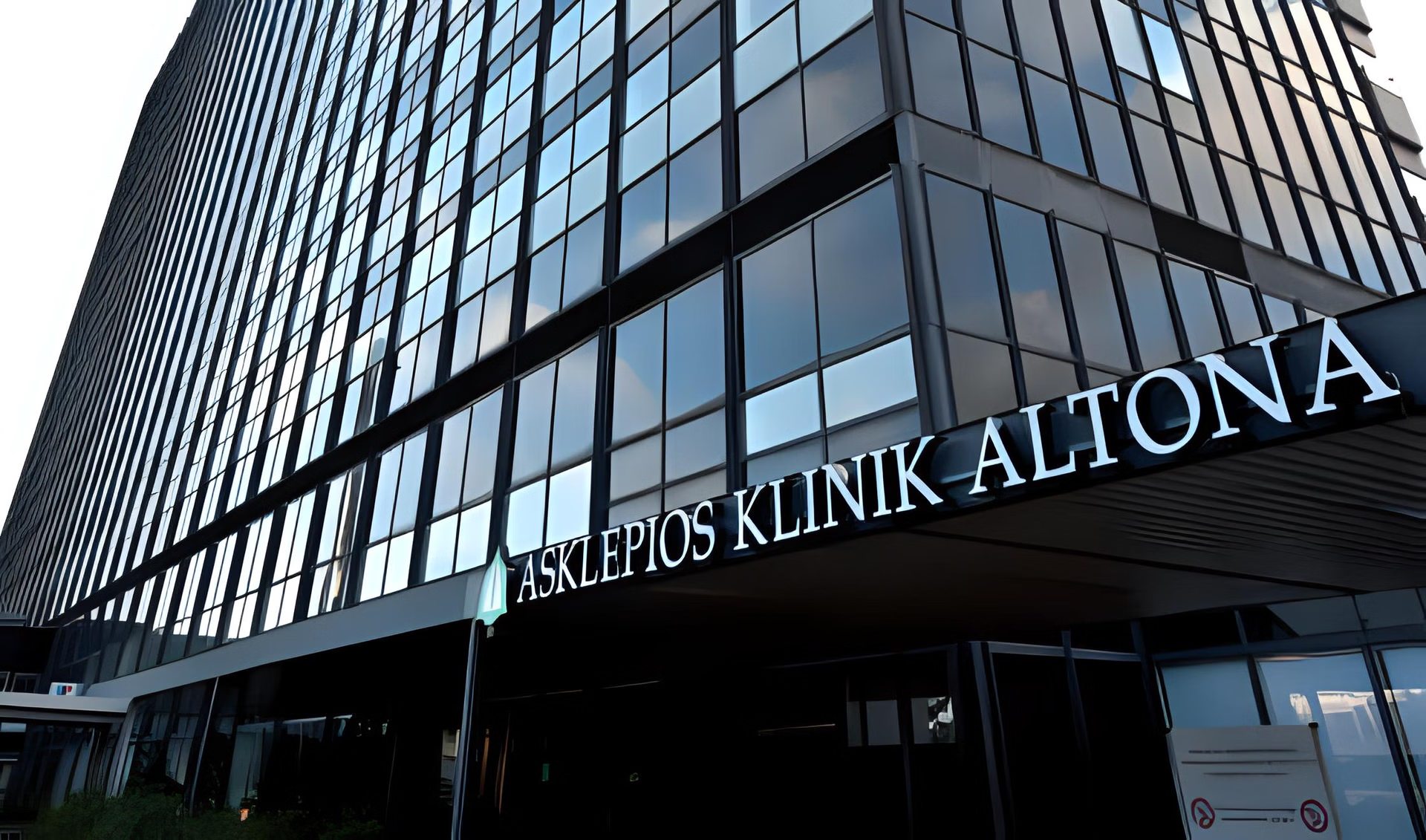
Dominating the western skyline of Hamburg, Asklepios Clinic Altona delivers a specialized model of post-acute early rehabilitation that is directly embedded within a tertiary medical center providing maximum care. The Altona clinic operates its phase B neurological early rehabilitation at the immediate epicenter of acute neurovascular emergency care. This structural integration eliminates the physical and temporal barriers between critical life-saving interventions and functional recovery, ensuring that individuals suffering from catastrophic nervous system injuries begin intensive motor and cognitive retraining while remaining fully protected by full-scale intensive care, round-the-clock neuroradiology, and emergency neurosurgical teams. Thanks to the successful combination of highly qualified staff with modern technological equipment, the medical center has gained recognition in several areas. In particular, the National Trauma Center is the first trauma center in Hamburg to be recertified by the German Society for Trauma Surgery. In addition, the institution participates in the "Quality and Service" program of the Association of Private Health Insurance. Much attention is paid to issues of oncological morbidity, proper disease prevention, and education of the local population. In particular, doctors conduct special lectures and information forums for patients on annual preventive examinations, early self-detection of disease onset, and the need for timely treatment. One such promotion was dedicated to testicular and prostate cancer, successfully treated at the Asklepios Clinic Altona in Hamburg, thanks to the most modern procedure in the world with the help of DaVinci and laparoscopy. Also, for many years of research work and the discovery of the M371 tumor marker for testicular cancer, the team of urologists was awarded the Maximilian Nitze Prize. Women's urogynecological problems were also not left aside. Thanks to the Sonata treatment, radiofrequency ablation allows the removal of fibroids while preserving the uterus and the possibility of pregnancy in the future. It has also succeeded in the field of neurology and neurosurgery and was recognized as the best-specialized hospital in the world in 2022 by the American magazine Newsweek. Of particular note is the state-of-the-art intraoperative NIR/ICG fluorescence imaging by Karl Storz during minimally invasive procedures in the abdominal cavity IMAGE1 S RUBINA. The method makes visible the thinnest vessels in tissues or the anatomy of the bile duct in cases of minor injury to healthy tissues. The field of gastroenterology is developing by simultaneously improving and combining diagnostic and therapeutic procedures. In particular, the new spiral endoscopy enables the detection and treatment of bleeding, tumors, ulcers, and malformations through targeted examination of the stomach and the small and large intestines. There is also close collaboration with radiology experts in treating vascular patients. The rehabilitative practice is its interdisciplinary neuro-center, a synchronized clinical ecosystem that bridges the certified supra-regional stroke unit, neuro-intensive care beds, and early rehabilitation wards. Patients recovering from massive ischemic strokes, intracranial hemorrhages, severe traumatic brain injuries, ruptured cerebral aneurysms, or brain tumors undergo immediate, multimodal stimulation to reactivate damaged neural pathways. Specialized medical staff manage high-acuity cases requiring mechanical ventilation weaning and gradual tracheostomy tube decannulation, while certified logopedists execute fiberoptic endoscopic evaluation to diagnose and treat severe neurogenic dysphagia, drastically reducing pulmonary complication risks while restoring safe oral intake. Beyond acute post-stroke and neurotrauma stabilization, Asklepios Clinic Altona differentiates its rehabilitative offerings through specialized multidisciplinary programs such as the Parkinson’s complex treatment. Under this intensive regimen, patients dealing with severe movement disorders, motor fluctuations, and freezing episodes receive multi-week inpatient optimization combining targeted neurological pharmacotherapy, intense motor-gait therapy, and speech restoration. Furthermore, leveraging the hospital’s world-class ophthalmology department, the facility offers specialized neuro-ophthalmological assessment and visual rehabilitation, helping individuals overcome double vision, hemianopia, and visual-spatial deficits resulting from central nervous system damage.
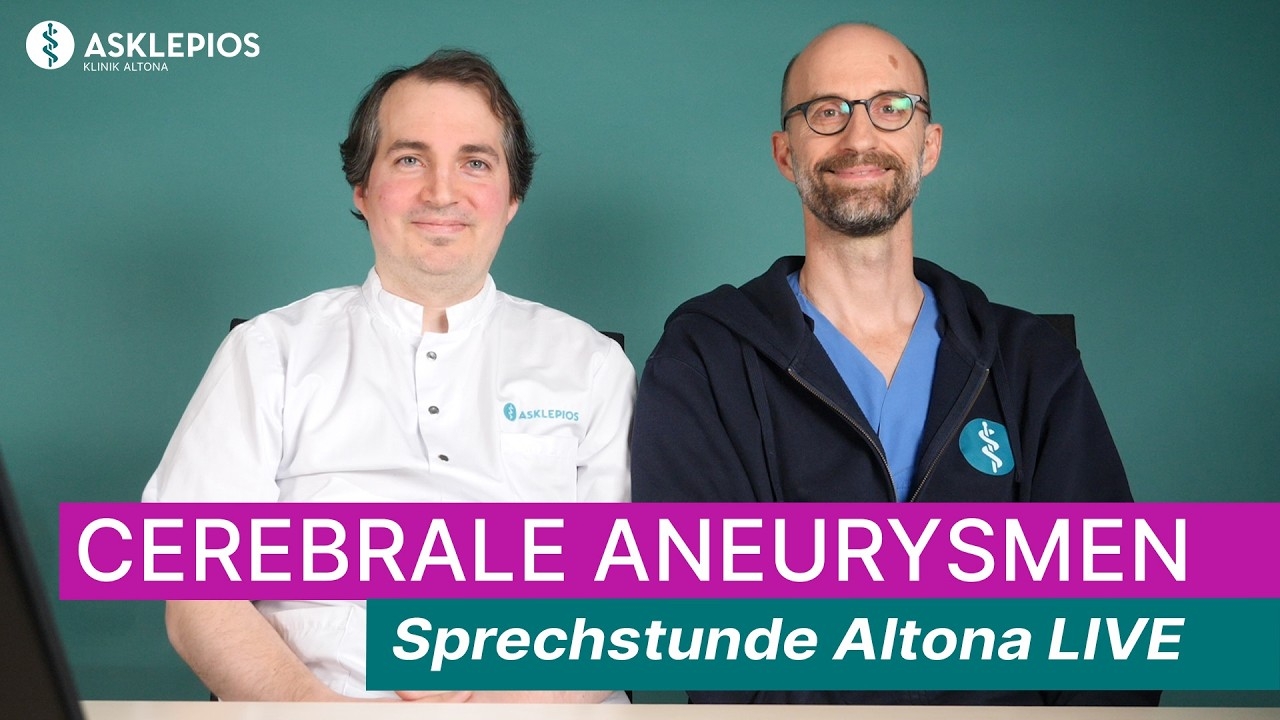
Understanding and safely treating cerebral aneurysms | Asklepios Klinik Altona
2026-08-13T18:49:25.000Z
Understanding and safely treating cerebral aneurysms | Asklepios Klinik Altona
Interventional disease (PAD) — vascular therapy for more mobility | Asklepios Klinik Altona
2026-08-13T18:49:14.000Z
Interventional disease (PAD) — vascular therapy for more mobility | Asklepios Klinik Altona
Narrowed carotid artery — what now? | Asklepios Clinic Altona
2026-08-13T18:49:04.000Z
Narrowed carotid artery — what now? | Asklepios Clinic Altona
Innovative therapies: What cancer medicine of the future looks like | Asklepios Klinik Altona
2026-08-13T18:48:54.000Z
Innovative therapies: What cancer medicine of the future looks like | Asklepios Klinik Altona
Migraine: New Approaches in Prophylaxis and Acute Treatment | Asklepios Klinik Altona
2026-08-13T18:48:43.000Z
Migraine: New Approaches in Prophylaxis and Acute Treatment | Asklepios Klinik Altona
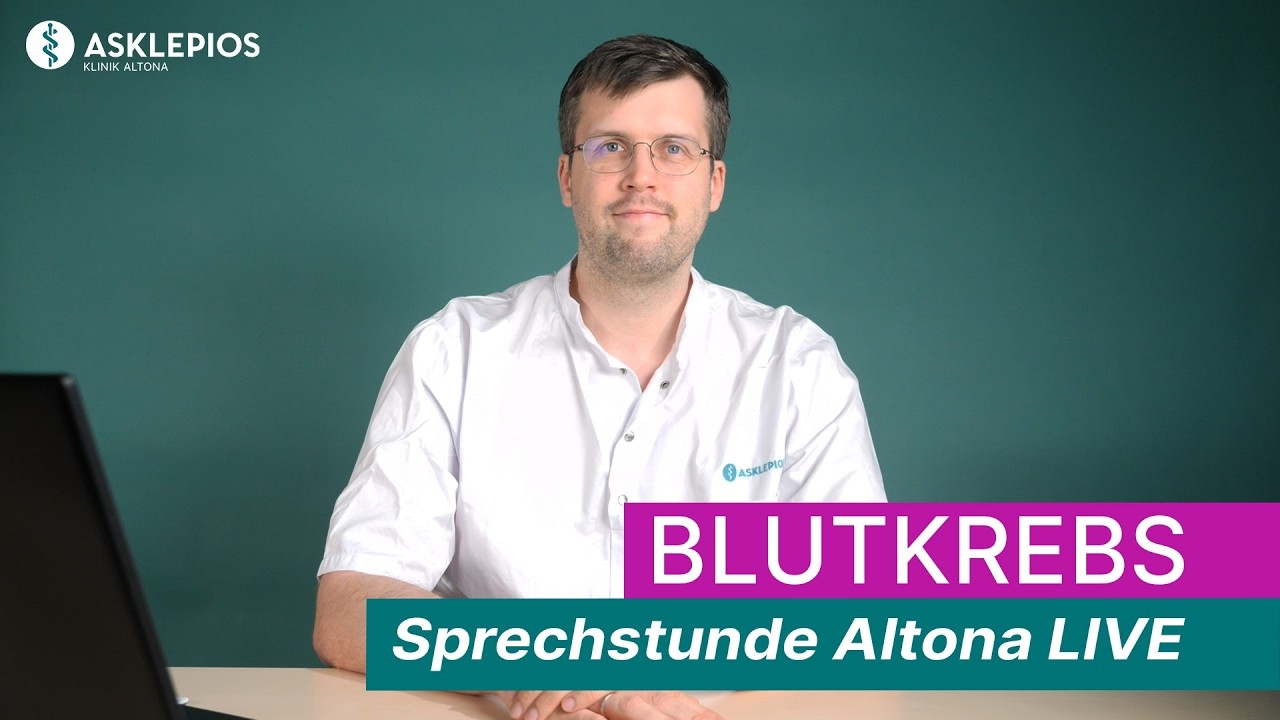
Leukemia: Understanding and Conquering Blood Cancer | Asklepios Klinik Altona
2026-08-13T18:48:10.000Z
Leukemia: Understanding and Conquering Blood Cancer | Asklepios Klinik Altona
2026-08-13T18:43:06.000Z
2026-08-13T18:43:06.000Z
2026-08-13T18:43:06.000Z
2026-08-13T18:43:05.000Z
2026-08-13T18:43:05.000Z
2026-08-13T18:43:05.000Z
Understanding and safely treating cerebral aneurysms | Asklepios Klinik Altona
2026-08-13T18:49:25.000Z
Understanding and safely treating cerebral aneurysms | Asklepios Klinik Altona
Interventional disease (PAD) — vascular therapy for more mobility | Asklepios Klinik Altona
2026-08-13T18:49:14.000Z
Interventional disease (PAD) — vascular therapy for more mobility | Asklepios Klinik Altona
Narrowed carotid artery — what now? | Asklepios Clinic Altona
2026-08-13T18:49:04.000Z
Narrowed carotid artery — what now? | Asklepios Clinic Altona
Innovative therapies: What cancer medicine of the future looks like | Asklepios Klinik Altona
2026-08-13T18:48:54.000Z
Innovative therapies: What cancer medicine of the future looks like | Asklepios Klinik Altona
Migraine: New Approaches in Prophylaxis and Acute Treatment | Asklepios Klinik Altona
2026-08-13T18:48:43.000Z
Migraine: New Approaches in Prophylaxis and Acute Treatment | Asklepios Klinik Altona
Leukemia: Understanding and Conquering Blood Cancer | Asklepios Klinik Altona
2026-08-13T18:48:10.000Z
Leukemia: Understanding and Conquering Blood Cancer | Asklepios Klinik Altona
Extra services
Visa Support
Parking Space
24/7 medical assistance
Pastoral Care
Intensive Care Unit
Cafeteria
Kids' Play Zone
ATM / Banking
Accessibility Features
Support Groups
Location
Paul-Ehrlich-Straße 1, 22763 Hamburg, Germany
FAQ
Is Asklepios Clinic Altona suitable for intensive care patients?
The palliative care unit was the medical network's first to be named an 'ESMO Center for Integrated Oncology and Palliative Care' by the European Cancer Society for its wide range of high-quality services. As a result, intensive care patients are in safe hands.
Should I choose the hospital for pelvic floor prolapse?
The clinic is the only one in northern Germany that provides a full spectrum of surgery for patients with pelvic floor prolapse. Urologists and gynecologists select optimal individual therapy, including minimally invasive procedures, to ensure the fastest patient recovery.
What neurology services does the clinic offer at neurosurgery?
Doctors offer treatment for facial pain, hydrocephalus, surgery for brain and spinal cord tumors and degenerative spinal diseases, and complex brain and spinal cord vascular diseases, such as strokes, aneurysms, and angiomas.
Is stroke treatment available in the hospital?
For treating patients with acute stroke, a technically optimally equipped 14-bed stroke department is available, where patients are under 24-hour observation and are treated according to the most modern therapeutic strategies.
What robotic surgical center is housed here?
The campus hosts the central Da Vinci Center Hamburg, utilizing the advanced Da Vinci Xi robotic system for high-precision, minimally invasive interventions in visceral surgery, urology, and head-and-neck oncological resections.
What specialized head and neck surgery is performed?
The otorhinolaryngology (ENT) and head & neck surgery department performs complex reconstructive procedures, plastic and aesthetic head and neck interventions, and robot-assisted tumor resections of the throat and larynx.
What is the rating of the clinic?
Asklepios Clinic Altona is rated as 9.30 by AiroMedical.
What do patients say about Asklepios Clinic Altona?
The clinic has 660 feedbacks at other places. The UserScore of the hospital is 91%.
What is the primary focus of the hospital?
The medical center is an expert at cancer, sclerosis, stroke, colorectal cancer, and metastatic colorectal cancer.
What is the overall experience of the facility?
Asklepios Clinic Altona has been operating since 1784. It has accumulated over 242 years of clinical background.
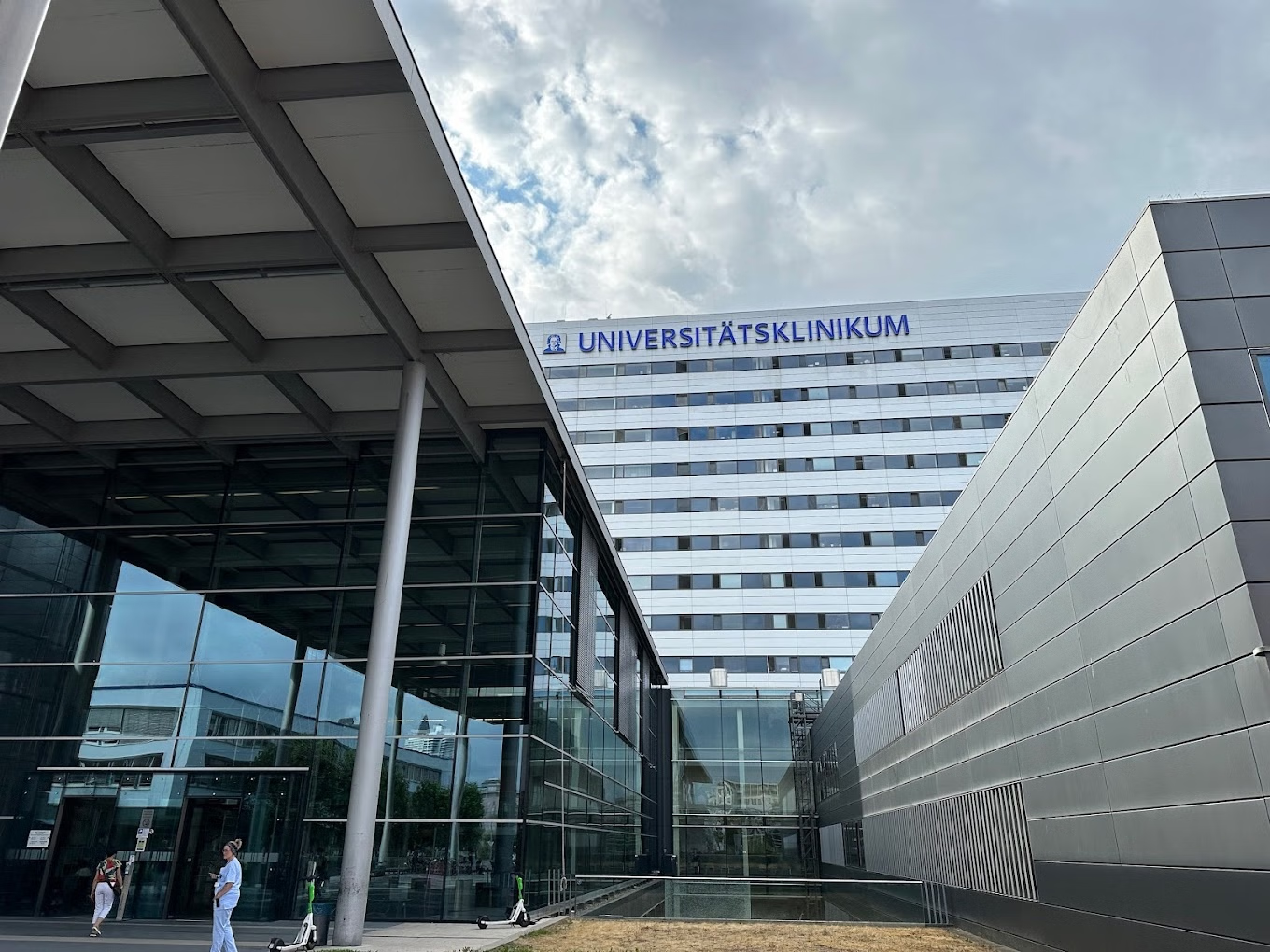
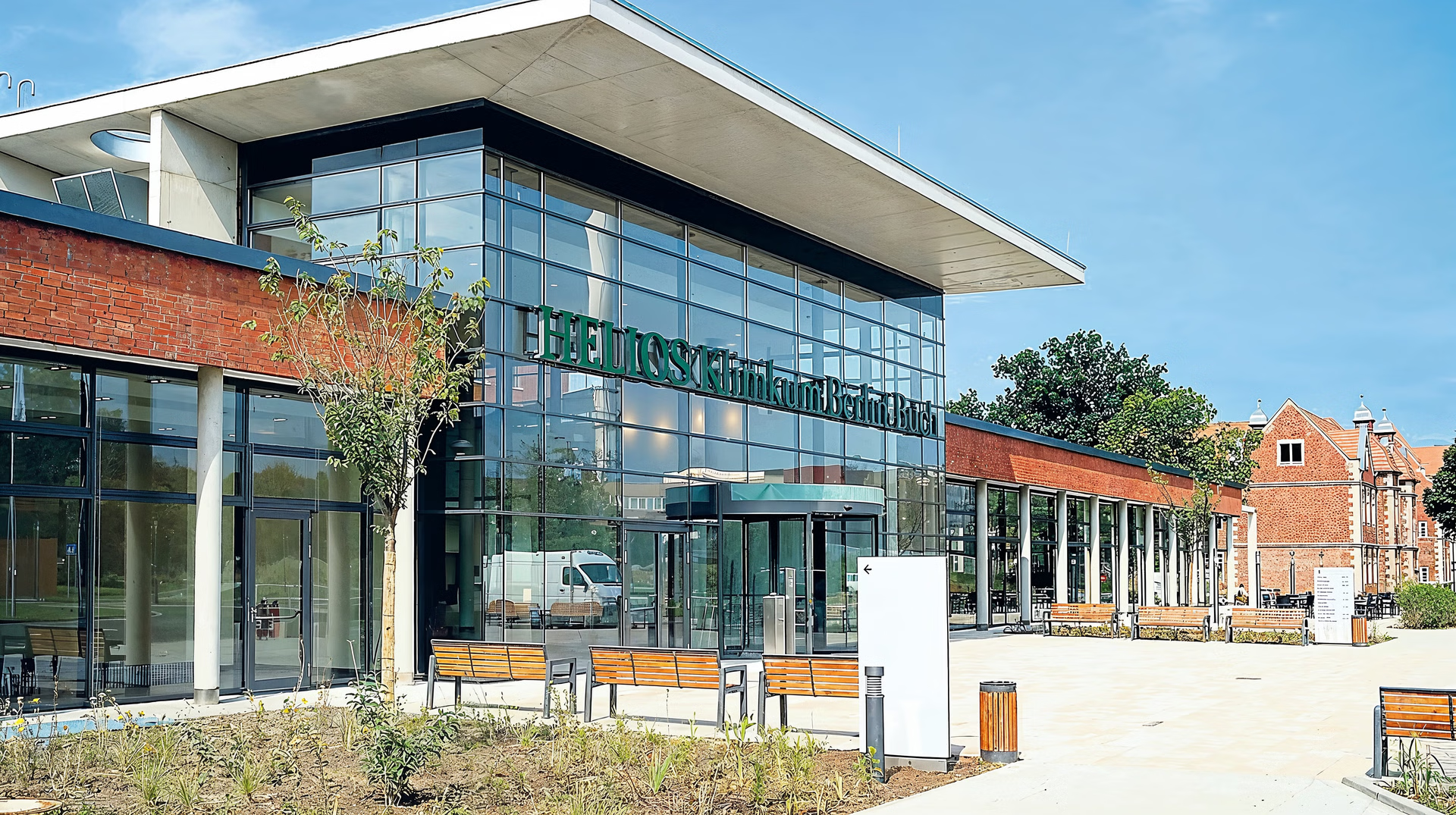
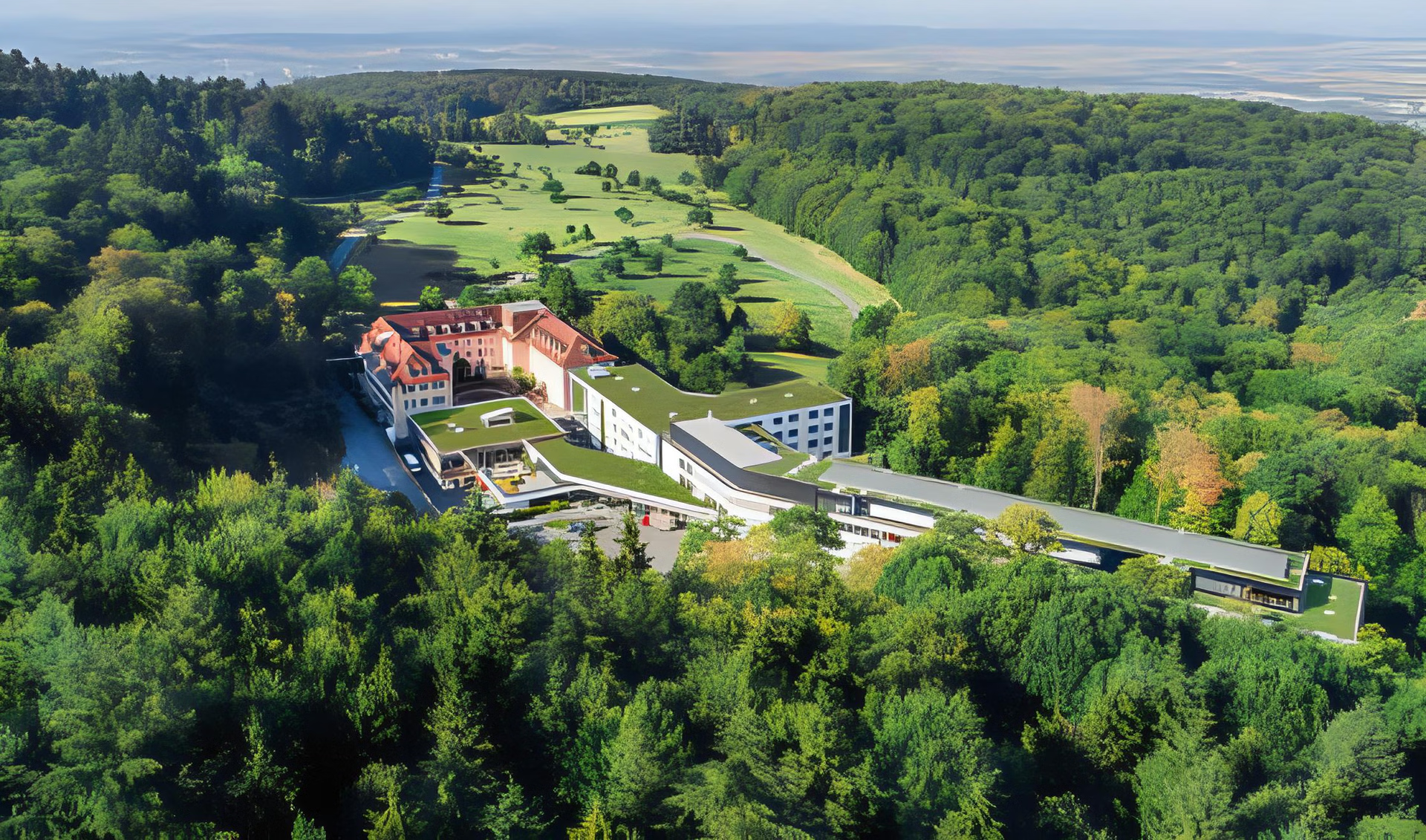
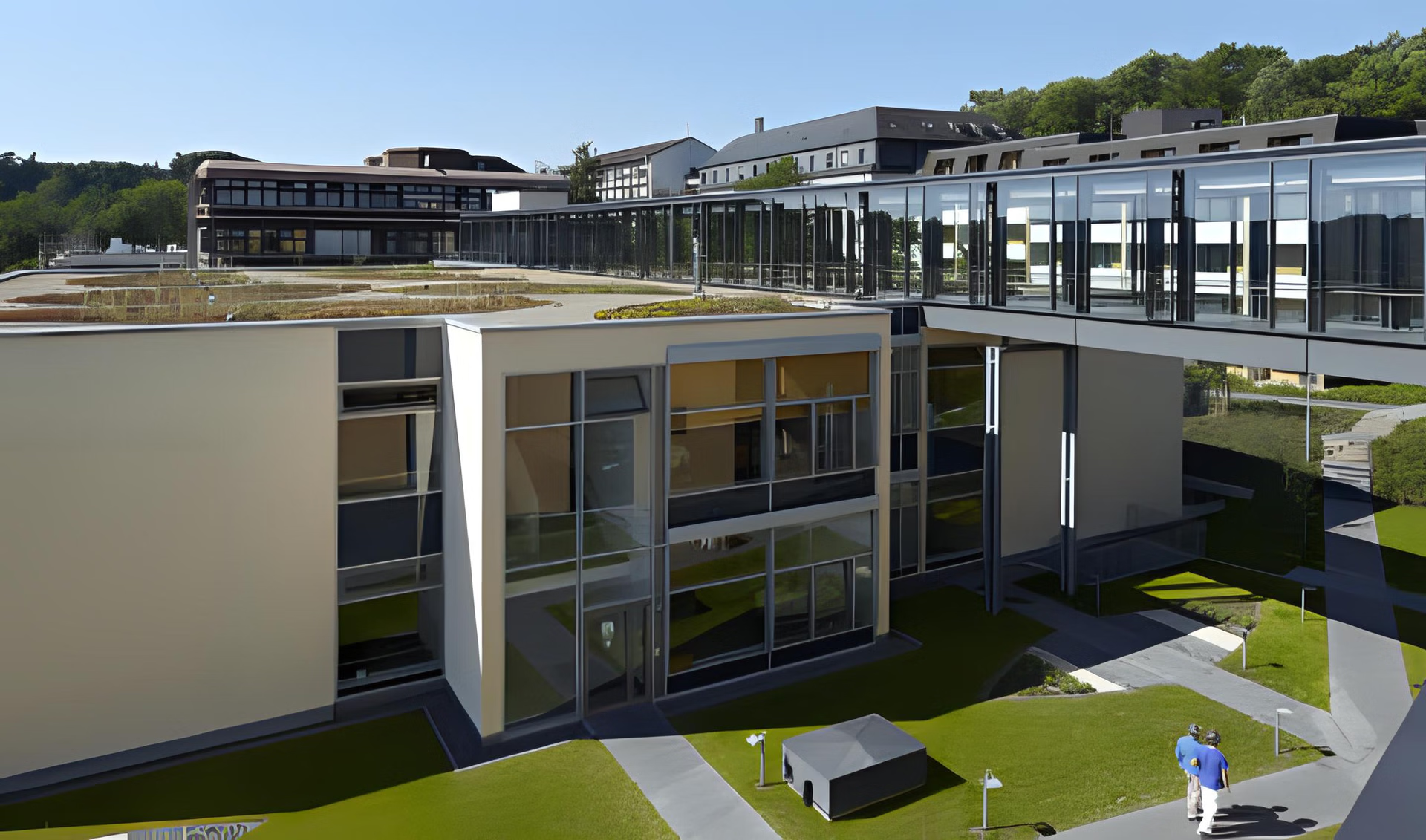
Where can I see the hospital's work, interior space, and exterior?